
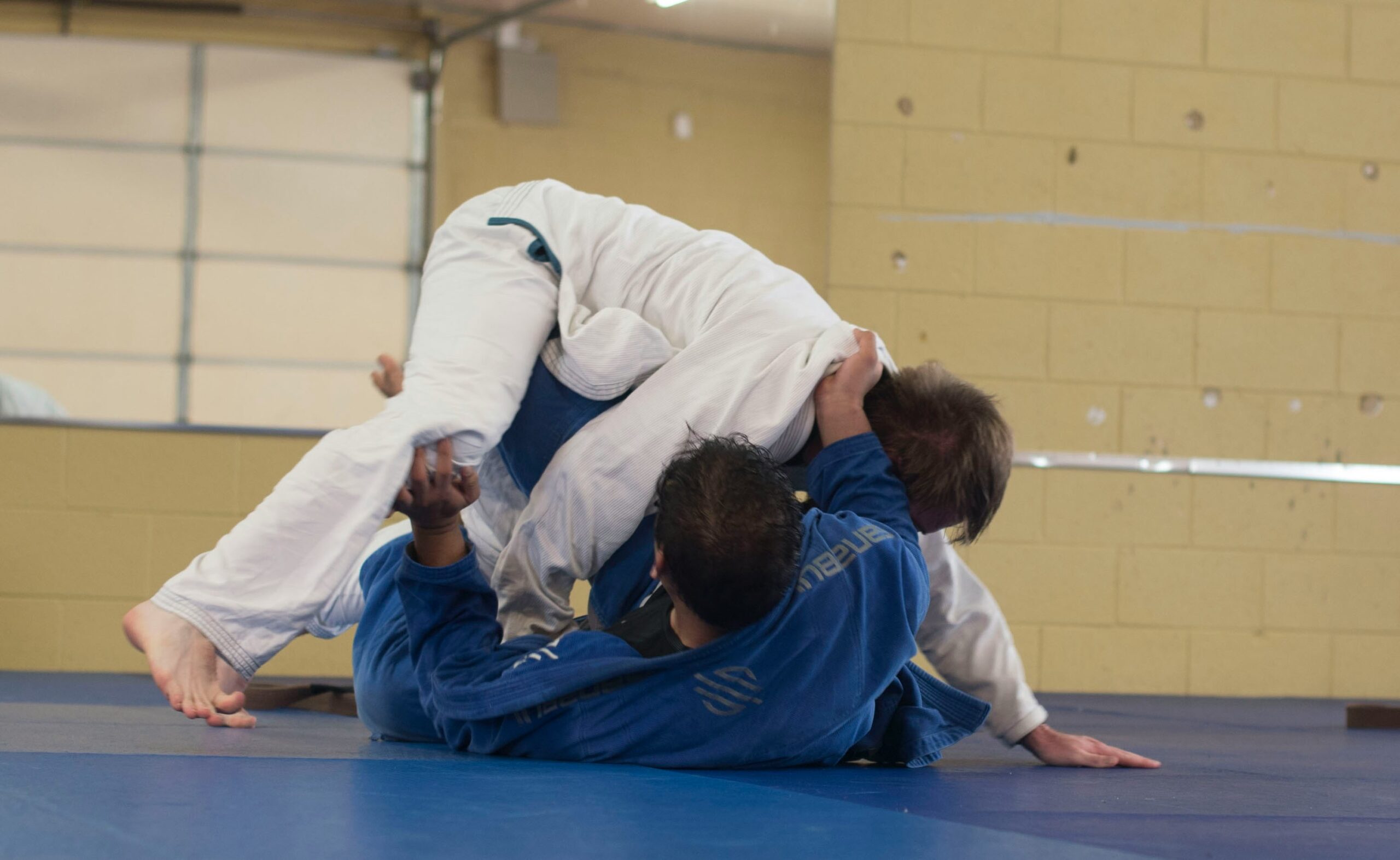
What Should I Expect in My First Brazilian Jiu-Jitsu Class?
So, you’ve decided to take the plunge and try Brazilian Jiu-Jitsu (BJJ), but you’re unsure what to expect. Don’t worry, you’re not alone! Many beginners have questions about their first BJJ class—what to wear, how the session is structured, and what kind of people they’ll meet. This guide will walk you through everything you need to know to feel prepared and confident for your first session.
What to Wear to Your First BJJ Class
For your first class, your attire will depend on whether it’s a gi or no-gi session.
-
Gi Class: A gi is the traditional uniform for BJJ, consisting of a jacket, trousers, and belt. If you don’t have a gi yet, no problem! Many gyms have spare ones for beginners to borrow. If not, you can wear comfortable workout clothes, such as a t-shirt and jogging bottoms.
-
No-Gi Class: No-gi BJJ is typically practised in rash guards, shorts, or leggings. If you don’t have a rash guard, a snug-fitting t-shirt and sports shorts will work just fine for your first session.
Tip: Avoid clothing with zips, buttons, or anything that could cause injury to you or others. Don’t forget to remove jewellery, including rings and watches!
The Structure of a Typical BJJ Class
Most Brazilian Jiu-Jitsu classes follow a similar structure, especially for beginners:
-
Warm-Up
The class will usually begin with a warm-up to get your body ready. This could include light jogging, stretching, and basic movements like forward rolls or shrimping (a core BJJ movement). If you find these movements challenging at first, don’t worry! The warm-up is designed to improve your mobility and help you get accustomed to the physical demands of BJJ. -
Technique Drilling
After the warm-up, the coach will introduce a technique or sequence of techniques for the day. This could be a submission, escape, or guard pass. You’ll practise these techniques with a partner, taking turns to ensure both of you get plenty of reps. -
Sparring (Rolling)
Depending on the class structure, there may be some light sparring towards the end of the session, known as rolling in BJJ. As a beginner, you may not be expected to spar immediately, but it’s a great way to apply the techniques you’ve learned in a controlled setting. Don’t worry if you’re not ready for it yet—your coach will guide you through what’s appropriate at your level. -
Cool-Down and Stretching
After class, there’s usually a brief cool-down and stretch. This is a great time to ask the instructor or senior students any questions you may have about the techniques or movements you practised during class.
BJJ Etiquette: What You Need to Know
Brazilian Jiu-Jitsu gyms have a strong culture of respect and discipline. Here are a few key points of etiquette to keep in mind:
- Bow or shake hands before entering the mat: This shows respect for the space and the people you’ll be training with.
- Hygiene is important: Always come to class clean, with trimmed nails, and wearing freshly washed gear. BJJ involves close contact, so good hygiene is a must.
- Tap early, tap often: During rolling, if you find yourself in a submission, don’t hesitate to tap (a simple tap on your partner or the mat). This signals that you’re ready to stop, preventing injuries.
- Respect your training partners: BJJ is about learning together. Be mindful of others’ safety and progress, regardless of their experience level.
What Kind of People Train BJJ?
One of the great things about Brazilian Jiu-Jitsu is the diversity of people who train. You’ll find people from all walks of life, including professionals, students, and parents. BJJ attracts individuals of all ages and fitness levels, so you’ll likely meet people who share similar interests and goals.
At Chepstow BJJ, we pride ourselves on creating a friendly, inclusive environment where everyone is welcome. Whether you’re here to learn self-defence, improve your fitness, or find a new hobby, you’ll quickly find that the BJJ community is supportive and encouraging.
How to Prepare for Your First BJJ Class
Now that you know what to expect, here are a few extra tips to help you prepare:
- Stay hydrated: BJJ can be physically demanding, so make sure you’re well-hydrated before class.
- Don’t be afraid to ask questions: BJJ is a technical martial art, and everyone was a beginner once. If you’re unsure about something, don’t hesitate to ask your coach or a fellow student for guidance.
- Relax and have fun: Your first class is just the start of your journey. Don’t worry about getting everything right immediately. Focus on learning, having fun, and enjoying the process.
Conclusion: Your First Step into the World of BJJ
Starting Brazilian Jiu-Jitsu can feel intimidating, but knowing what to expect can ease those first-day nerves. At Chepstow BJJ, we’re here to help you every step of the way, offering expert instruction and a welcoming community. You’ll leave your first class not only with a better understanding of BJJ, but also with a sense of accomplishment and excitement for the journey ahead.
Are you ready to give BJJ a try? Book your first class today and join the Chepstow BJJ family!


